Wall skimming explained: when and why you need it
Wall skimming York explained in plain English: what a skim coat is, when it suits your walls, how to prepare a room and what to check before painting.

What does wall skimming in York involve?
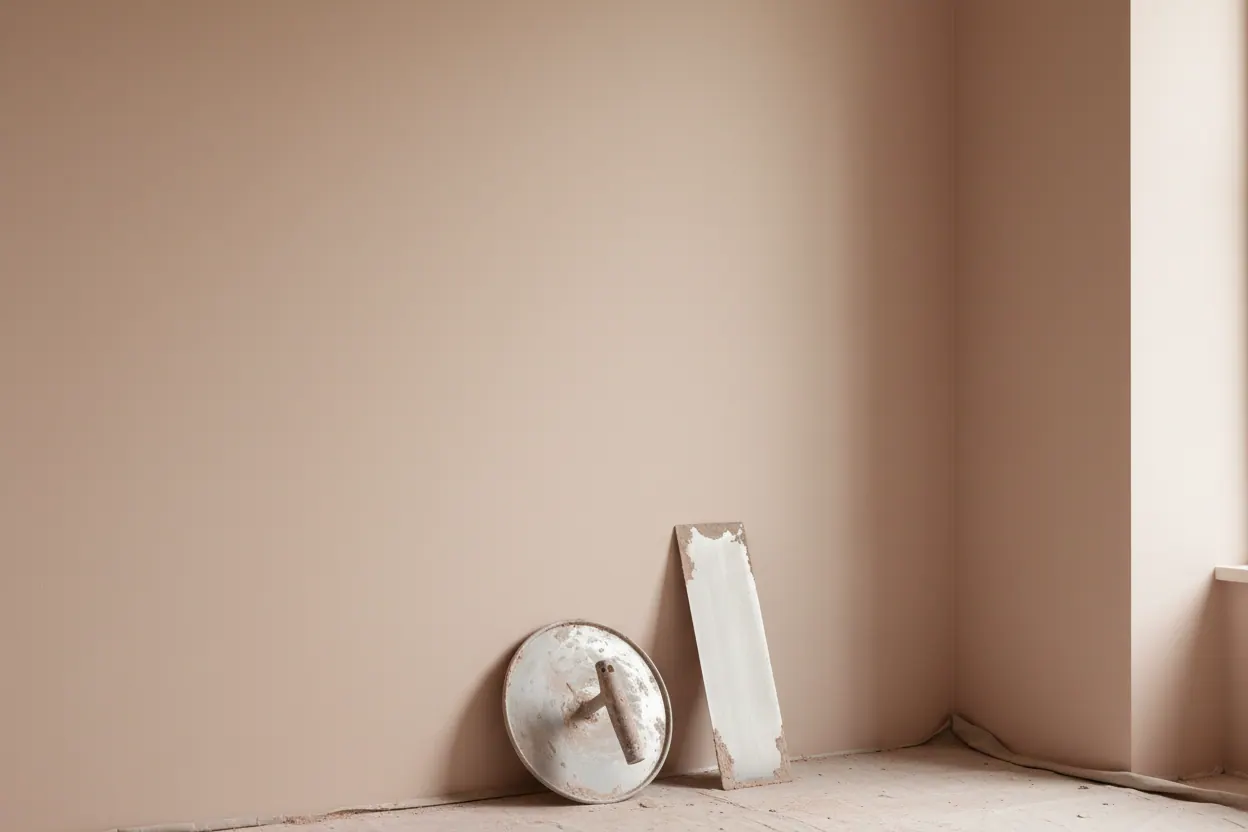
Wall skimming is a thin, smooth layer of finishing plaster applied over a sound surface, so the wall is flat and ready to decorate. It is the finish most people picture when they ask for perfectly smooth walls. If you are looking for wall skimming in York, it helps to know what the job involves before you pick up the phone.
A skim goes over a suitable base: new plasterboard, an existing plastered wall in good condition, or a re-plastered surface. The aim is a flat, even finish that takes paint or wallpaper well. The usual thinking is:
- The surface has to be sound, clean and stable
- Loose or hollow areas are dealt with first
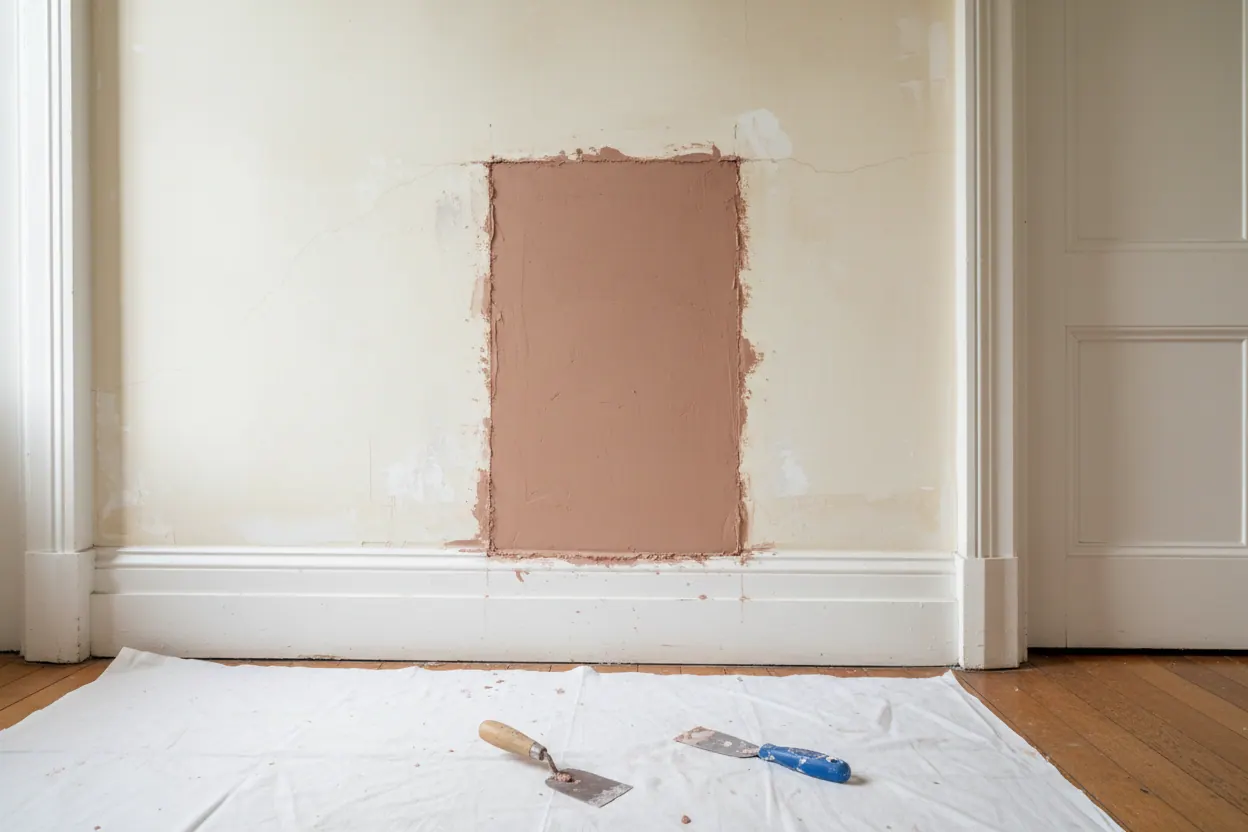
- Cracks, holes and damaged corners are made good before the skim goes on
- The finish coat is then applied and worked to a smooth surface
It sounds simple. The skill is in the preparation and in getting the surface flat without ridges or patchiness.
Is a skim the right fix for your walls?
Not every tired wall needs the same treatment. A skim suits walls that are basically solid but look patchy, uneven or marked, and it is a good option when you want a fresh, flat surface before redecorating. It may not be enough if the plaster underneath is crumbling, coming away or sounds hollow across large areas. A quick way to think about it:
- Small, local damage: patch repair
- Sound wall, uneven or patchy finish: skim
- Widespread loose or failing plaster: re-plaster
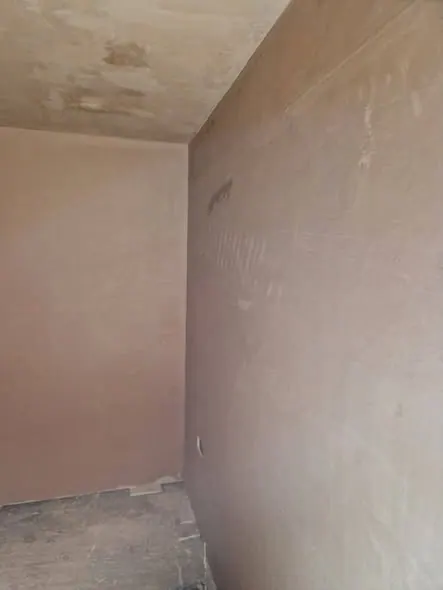
- New boards or a stripped-back room: plasterboard and skim
If you are not sure which applies, a few photos are a good start. See our pages on wall skimming, plaster repairs and full re-plastering.
Older and Victorian homes in York
York has plenty of Victorian terraces and older period homes, and walls in those houses have often been patched many times. You may find a mix of repairs, different thicknesses and areas that sound hollow when tapped. That does not automatically mean the whole wall has to come off, but it does mean the surface needs a proper look before anything goes over it, because skimming over loose plaster only hides the problem for a while.
If you can see staining, flaking or signs of moisture, the cause needs to be diagnosed and fixed by the right specialist first. Plastering comes afterwards, once the wall is dry and the underlying issue has been dealt with.
How to prepare old plaster walls for painting
Good preparation makes a big difference to the end result. Before decorating old plaster, check:
- Is the surface sound? Press gently and listen for hollow areas or movement
- Are there cracks or holes? These should be repaired properly rather than painted over
- Is the wall clean and dry? Dust, grease and loose paint stop new finishes from sticking
- Is the surface flat? Paint shows up bumps and ridges, especially in side light
If the wall is patchy, uneven or has been repaired several times, a skim often gives the flat, even base that paint needs.
Can new plaster be painted straight away?
No. Fresh plaster needs to dry out properly first. How long that takes depends on how thick the plaster is, the temperature in the room and the ventilation, so a cold, closed-up room dries more slowly than a warm, airy one. Keep the room ventilated and gently warm and do not rush it. Painting too early can lead to poor adhesion and a patchy finish.
Can you skim a wall yourself?
You can try, but it is harder than it looks. Plaster starts to set quickly, and getting an even, ripple-free surface takes practice. Common problems include ridges, trowel marks, patchy areas and plaster that sets before you have finished working it. For a whole room, or walls you want to look right under good light, most people are better off calling a plasterer.
What is drywall called in the UK?
In the UK, drywall is usually called plasterboard. Walls and ceilings are often boarded and then skimmed with a thin coat of finishing plaster, known as plasterboard and skim. It gives a smooth, paint-ready surface on new walls, stud partitions and ceilings. See our plasterboarding page.
Preparing a room before a plasterer starts
- Clear the room as much as you can, or move furniture to the middle and cover it
- Take down pictures, shelves, curtains and poles
- Make sure there is clear access to the walls
- Note any cracks, hollow areas or earlier repairs
- Mention if electricians or plumbers have been working, so chases and patches are made good
A few clear photos of each wall, plus one wider shot of the room, help a plasterer understand the job.
Landlords and renovations
Landlords often want walls looking fresh between tenants, and a skim can tidy up marks, patches and old repairs so the property is ready to redecorate. In a renovation, wall skimming usually follows boarding and repairs and comes before painting. If you also have a textured ceiling you would like smoothed, see our guide to smoothing a textured ceiling.
Frequently asked questions
Can I skim coat a wall myself? You can, but it takes practice to get a flat finish. Plaster sets quickly and mistakes show up once painted. For a full room, a plasterer is usually the better choice.
What is drywall called in the UK? Plasterboard. It is fixed to walls and ceilings and then skimmed to give a smooth finish.
How do I prepare old plaster walls for painting? Check the plaster is sound, repair cracks and holes, and make sure the surface is clean and dry. If the wall is uneven or patchy, a skim gives a better base for paint.
Do you do wall skimming in York? Yes, wall skimming is one of our services. Tell us what you are dealing with and we will say whether a skim, a patch repair or re-plastering makes most sense.
If you are thinking about wall skimming in York, call 07546 063138 or use the enquiry form and tell us about the room.
“Absolutely fantastic job by harry, Our walls are perfectly smooth and finish is top-tier. He was extremely clean and tidy, clearing up everything afterwards. Professional and very price good price.”